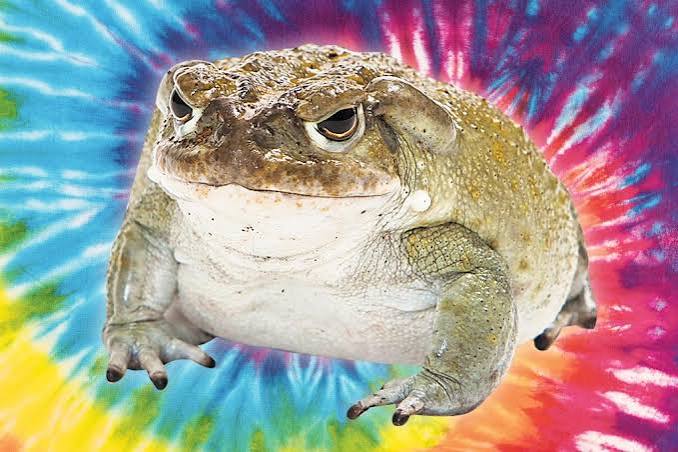
The 5-methoxytryptamines are named for the attachment of a methoxy group — a combination of carbon, hydrogen, and oxygen — to a particular position on the tryptamine chemical skeleton that is common to many psychedelics. One of the more well-known members of this chemical family is 5-methoxy-dimethyltryptamine, also known as 5-MeO-DMT. This psychedelic is best known for being the psychoactive ingredient in the venom of the Colorado River toad, Incilius alvarius, which lives in the Sonoran Desert.
Psychedelic compounds are abundant in the natural world, produced by hundreds of species of fungi and plants. But animals that produce psychedelics are comparatively rare. The Colorado River toad is the only animal known to secrete a psychedelic compound from its body. This desert dweller produces 5-MeO-DMT from glands on its warty, greenish-gray skin. The modest appearance of this unassuming amphibian contrasts starkly with the profound experiences induced by its secretions.
Reports from users of 5-MeO-DMT often describe experiences that are intense, otherworldly, and overwhelming. However, use of 5-MeO-DMT has also been observed to cause rapid reductions in symptoms of depression and anxiety and increases in positive states like feelings of meaningfulness and spiritual significance. Based on its potential to induce positive psychological changes, 5-MeO-DMT is being studied as a therapeutic for multiple psychiatric conditions